
After the Final Bell: The Low-Key Brilliance of Evening After School With Mizuki That Players Didn’t See Coming
There’s something oddly powerful about quiet moments most games ignore. Not boss fights. Not plot explosions. Just two people talking while the sky fades from gold to blue. That’s the space this title lives in, and instead of trying to compete with loud, high-energy releases, it leans fully into calm storytelling. The result is a narrative experience that feels more like remembering something than playing something.
At first glance, it might seem simple. Anime-style art, a school setting, dialogue choices. Nothing groundbreaking on paper. But once you actually spend time with it, you realize the simplicity is deliberate. Every design decision is built to support one thing: emotional realism.
In a different game, that might sound like a downside. Here, it’s the entire point.
Because nothing pulls your attention away, you become hyper-aware of tone, wording, and timing. You start analyzing dialogue like it matters—because it actually does. Each choice subtly shapes how Mizuki sees you, which in turn changes how she speaks to you later.
It creates a feedback loop: you care more, so you pay more attention, so the experience feels deeper.
Branching Choices That Aren’t Fake
A lot of narrative titles advertise meaningful decisions but secretly funnel every path into the same ending. This one avoids that trap. Choices genuinely influence both immediate reactions and long-term outcomes.
Some decisions affect trust. Others affect mood. A few alter entire scenes later in the story. The differences aren’t always obvious right away, which makes them feel more authentic. Life rarely tells you when a moment is important until later.
Replayability comes from curiosity rather than completionism. You don’t restart just to unlock everything. You restart because you wonder how things might have felt if you’d responded differently.
Advertisement
Visual Direction That Understands Restraint
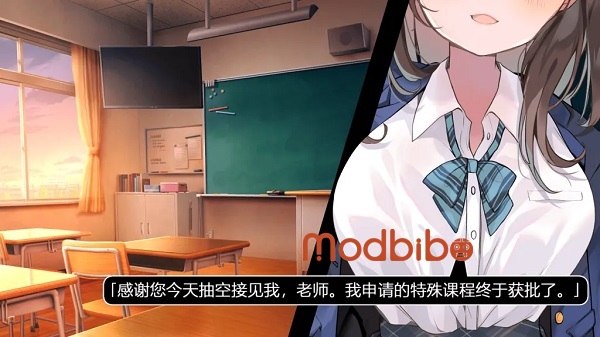
The art style doesn’t try to overwhelm you with motion or spectacle. Instead, it focuses on delicate expression changes and carefully controlled lighting. Tiny shifts in posture or eye direction communicate more emotion than exaggerated animation ever could.
Color also plays a quiet storytelling role. Early scenes glow with warm late-day light. As time passes, cooler tones creep in. Without saying a word, the visuals mirror the emotional progression of the evening.
That level of cohesion shows strong artistic intent. It proves you don’t need flashy graphics to build atmosphere—you just need consistency and purpose.
Sound That Knows When to Stay Quiet
Audio design is another area where subtlety wins. Music is soft, almost hesitant, fading in and out instead of looping loudly. Sometimes there’s barely any soundtrack at all, just ambient sounds filling the space.
That restraint makes the moments when music swells feel significant. Because it isn’t constant, you actually notice it. It guides emotion without forcing it.
Background details add even more immersion: faint echoes, distant movement, environmental ambience. Individually they’re small touches. Together they create presence. You don’t just read text—you feel like you’re sitting there.
Why It Feels Different From Typical Mobile Narratives
Mobile story games often struggle with two major problems: shallow writing and aggressive monetization systems that interrupt immersion. This title sidesteps both by focusing almost entirely on narrative quality.
There’s no sense of being rushed. No constant prompts pushing you forward. The experience respects your pace and your attention span. That alone makes it stand out in a crowded field where many titles compete for clicks instead of connection.
Another standout element is trust. The storytelling assumes players can interpret nuance. It doesn’t overexplain emotions or repeat information. Instead, it lets meaning exist between lines. That kind of confidence is rare and refreshing.
Themes Hidden Beneath the Calm Surface
Despite its gentle tone, the story quietly explores surprisingly weighty ideas:
-
The loneliness people hide behind normal routines
-
The pressure of expectations from school and society
-
The fear of being understood too well
-
The comfort of conversations that happen when no one else is around
These themes aren’t delivered through dramatic speeches. They appear naturally in dialogue, the way real thoughts slip out during relaxed conversations. Because they emerge organically, they feel sincere instead of scripted.
Players often find themselves relating to moments they didn’t expect to. That connection is what gives the story its lasting impact.

The Emotional Power of the Setting
The after-school timeframe isn’t just a backdrop—it’s a storytelling device. Psychologically, that period between day and night often makes people more reflective. Responsibilities are done, but the world hasn’t gone fully quiet yet. It’s a transitional space where honesty feels easier.
The game uses that atmosphere as fuel. The setting shapes the mood of every exchange, making the environment feel like an invisible participant in the conversation.
It’s a subtle design choice, but it ties everything together. Dialogue, lighting, pacing, and tone all reinforce the same emotional wavelength.
Advertisement
Who Will Appreciate This Experience Most
This isn’t designed for everyone, and that’s intentional. It’s aimed at players who value mood and character over action and challenge.
It’ll resonate strongly if you enjoy:
-
Slow, reflective storytelling
-
Character-driven narratives
-
Dialogue-focused experiences
-
Emotional realism
It may not click if you prefer:
-
Fast pacing
-
Mechanical gameplay systems
-
Competitive challenges
-
Constant stimulation
Think of it less as a traditional game and more as interactive storytelling. It’s about presence, not performance.
Polished Design Without Flashiness
Despite its understated style, the game feels carefully refined. Interface transitions are smooth. Text flow is clean. Scene changes are timed well. Nothing feels random or unfinished.
That level of polish suggests strong direction rather than massive resources. It shows what can happen when creators prioritize cohesion instead of scale. Every element serves the same goal: immersion.
In a market full of titles trying to be bigger and louder, something quiet and intentional ends up standing out more.

Why Subtle Stories Leave Stronger Impressions
Spectacle is easy to notice but easy to forget. Subtlety works differently. Small details stick in your mind because you discovered them instead of being shown them.
This game understands that principle. Emotional impact comes from pauses, tone shifts, and unsaid thoughts. Those understated moments often hit harder than dramatic twists because they feel real.
Pulling that off requires confidence in writing and direction. Not every developer is willing to rely on nuance. This one does—and it pays off.
Final Verdict: A Quiet Experience That Stays With You
Some titles entertain you for a few hours and then fade. Others leave a lingering feeling you can’t quite explain. This falls into the second category.
It doesn’t try to impress through spectacle or complexity. Instead, it invites you into a calm, intimate conversation and lets meaning emerge naturally. That approach won’t appeal to players looking for fast thrills. But for anyone willing to slow down and listen, it delivers something rare: authenticity.
By the time the evening ends, you may realize you weren’t just playing through dialogue choices. You were participating in a moment that felt strangely genuine. And when a game can create that kind of illusion, it proves something important—
Sometimes the quietest stories speak the loudest.